


|
In addition to writing vividly about his travels, Ye Sheng-ji also used his diaries to collect about two hundred commemorative stamps collected from spots he visited. Interestingly, the 1939 commemorative stamp for Unzen-Amakusa National Park was similar in form and elements to the 2017 one (see Figure 11 & Figure 12). 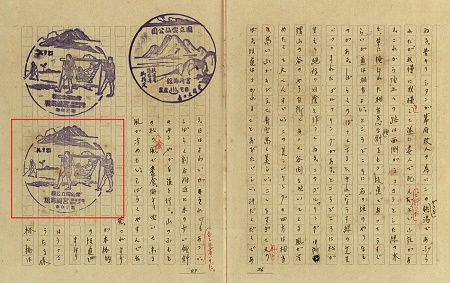 Figure 11: Commemorative stamp for Unzen-Amakusa National Park, collected by Ye Sheng-ji on July, 13th, 1939.
Source: Ye Sheng-ji Papers, Taiwan Archival Information System  Figure 12: The commemorative stamp for Unzen-Amakusa National Park collected by the ITH Archives from the Miyazaki Hotel in 2017.
The duck image in the upper left corner of Figure 13 is a commemorative stamp for Joju Garden of the Kumamoto Suizen Temple. The Suizen Temple is famous for its garden. The pond in the garden comes from a subterranean river on Mount Aso. In the early Edo period, Hosokawa Tadaoki (1563-1646), the head of Kumamoto Domain, cited a classical article “Returning Home”, written by the Chinese poet Tao Yuan-ming (365–427), and named the garden “Joju”. In the garden pond, ducks swam leisurely, always attracting visitors’ eyes. 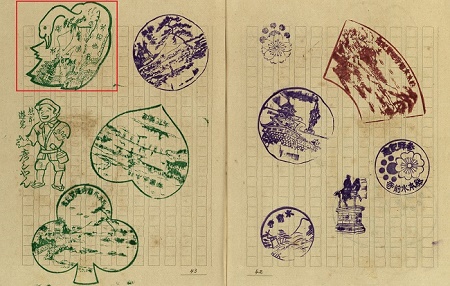 Figure 13: Image of The Diary of Ye Sheng-ji from July 14th, 1939.
Source: Ye Sheng-ji Papers, Taiwan Archival Information System The three colored stamp in the lower right corner of Figure 14 commemorate Kasuga Wakamiya, which is located in the Kasuga Grand Shrine and surrounded by shady trees. The architectural style of this world heritage is “Kasuga-zukuri”. Since 1136, the Kasuga Wakamiya Onmatsuri Festival has been held in mid-December every year. The purpose of this festival is inviting “the god of Wakamiya” to bless people with a healthy and an abundant harvest year. During the festival, attendants wear featured clothes which were traditional garments from the Heian Period to the Edo Period. They march to the temporary station of “the god of Wakamiya” and play time-honored music and dance to express gratitude. The Kasuga Wakamiya Onmatsuri Festival is the biggest festival in Nara every year. 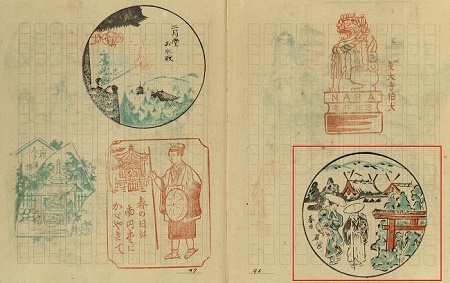 Figure 14: Image of The Diary of Ye Sheng-ji from July 20th, 1939.
Source: Ye Sheng-ji Papers, Taiwan Archival Information System The red stamp in the lower right corner of Figure 15 is “sleeping cat”, a commemorative stamp for Toshogu in Nikko. Toshogu is a temple dedicated to Tokugawa Ieyasu (1543-1616). The “three monkeys” and “sleeping cat” sculptures are quite well known. The sleeping cat craved by Hidari Jingoro (1594-1651) is located in the East corridor at Toshogu, keeping Tokugawa Ieyasu’s mausoleum. This cat sleeping under the sunshine is a symbol of peace. However, its raised shoulder means that it does not sleep deeply. When rebels appear, it will suddenly jump up and attack.  Figure 15: Image of The Diary of Ye Sheng-ji from July 24th, 1939.
Source: Ye Sheng-ji Papers, Taiwan Archival Information System “Yesterday in Kumamoto, today in Beppu…travelers cannot stay in one place too long. The changing places and scenes let us not feel bored. Mountains were different. Waters were different. The faces we met were also different. The journey we are going on is just hastened.” Ye Sheng-ji wrote this reflection after visiting Beppu on July 15, 1939. During school excursions, students visited military equipment, official buildings, and agricultural and educational institutions. The rushed itinerary indicates that the colonial government educated the “imperial subjects” by showing civilization and modernity in order to form the subjects’ identity and promote Japan’s colonization. School excursions were also a policy to mold the subjects so they would fulfill the nation’s demands. |
  |