

|
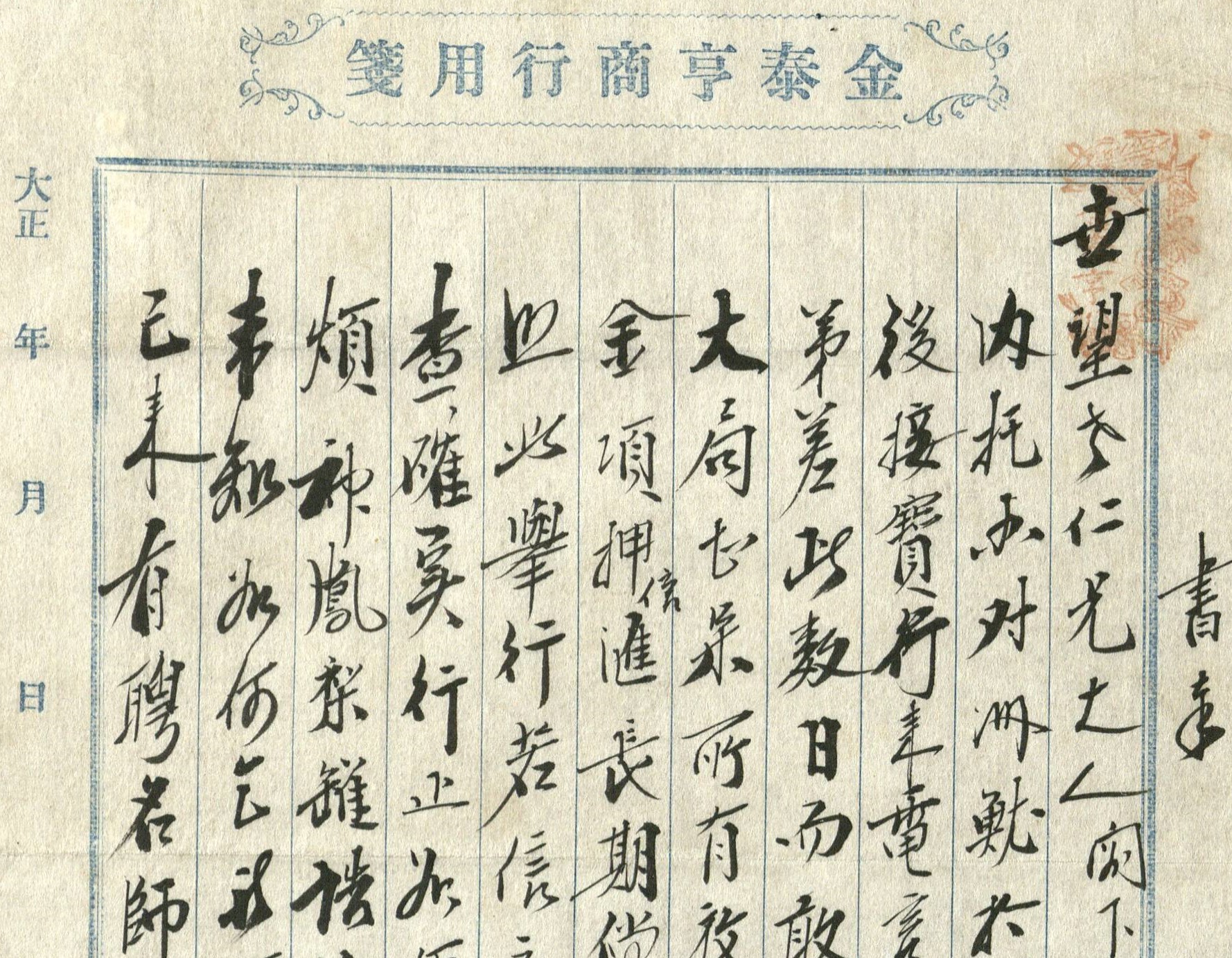
Before Japanese colonization, ink wash paintings were the mainstream in art communities in Taiwan. After 1895, Japanese teachers started a new arts curriculum and introduced new models for art and sketching. Consequently, Taiwanese art absorbed modern techniques on aesthetics, and its multiple developments were also stimulated. Although new curriculums had enlightened students who were interested in art, Taiwan still lacked professional art education institutions. Besides self-learning, students who had funds chose Japan or Europe to pursue further training. Paris, a city that has converged trends in the art world since the nineteenth century, was becoming an ideal art paradise for Taiwanese western-style painters. In fact, students who could really study abroad were extremely rare because of the late development of western art in Taiwan. Taiwan’s arts and culture were also restricted by the colonial government. Furthermore, regular students had heavy economic burdens. Hence, most of the Taiwanese students learned about western art from their teachers, exhibitions, books, and magazines. The trajectories of Taiwanese who could study abroad were recorded in the Registry of Passports Issued by the Taiwan Government-General. According to the Order of Foreign Countries Passport Rule, “imperial subjects” (including Japanese and Taiwanese) who planned to travel abroad from Taiwan had to first apply for a passport. By issuing passports, the Japanese Government could identify its people and keep track of their travels. According to the registry, from 1897 to 1934, about 90 people traveled for the purpose of “studying painting” or “sketching”. For instance, four Taiwanese went to Paris to study painting: Chen Qing-fen (1910-1987, studied in France from 1928 to 1931), Yen Shui-long (1903-1997, studied in France from 1929 to 1932), Yang San-lang (1907-1995, studied in France from 1932 to 1933), and Liu Chi-hsiang (1910-1998, studied in France from 1932 to 1935). All of them became highly trained while studying in Japan. While living in Europe, they copied classical paintings in art museums, went sketching in different places, and enjoyed Paris’ art atmosphere with Japanese painters. They actively expanded their contemporary perspectives of art and desperately tried to break into the world stage. However, some other talented artists could not study in Paris. Chen Zhi-qi, who was hailed as genius by Kinichiro Ishikawa (1871-1945), had a dream to pursue further training in Paris. He tirelessly created art every day in order to save enough travel funds. Unfortunately, after he graduated from the Tokyo Art School, he suffered from a disease and died at the age of 27, leaving his unfulfilled dream of studying in Europe. Chen Cheng-po, a distinguished painter in Taiwan, also yearned for Paris. Nevertheless, due to his mentors’ suggestions, financial considerations, and family burden, Chen Cheng-po decided not to go to France and he had never been to Europe. In 1929, he was invited to teach art at the Shanghai Xinhua College. His experiences in Shanghai enlightened his art works. The modern city with its multicultural features, traditional and stunning Jiangnan water town inspired him to pursue different East-Asian cultural artistic conceptions and to create unique strokes and painting styles. This article will continue the spirit of Travel Memories II—Taiwanese painters’ landscape sketches, introducing the following artists: Yen Shui-long, Liu Chi-hsiang, and Chen Cheng-po. Through viewing their paintings and abundant archival materials, such as photographs and the Registry of Passports Issued by Taiwan Government General, let us trace their life trajectories of pursuing their dreams by following their paths across country boundaries. |
  |